東茶屋街のすぐ裏、時間の流れが変わる場所
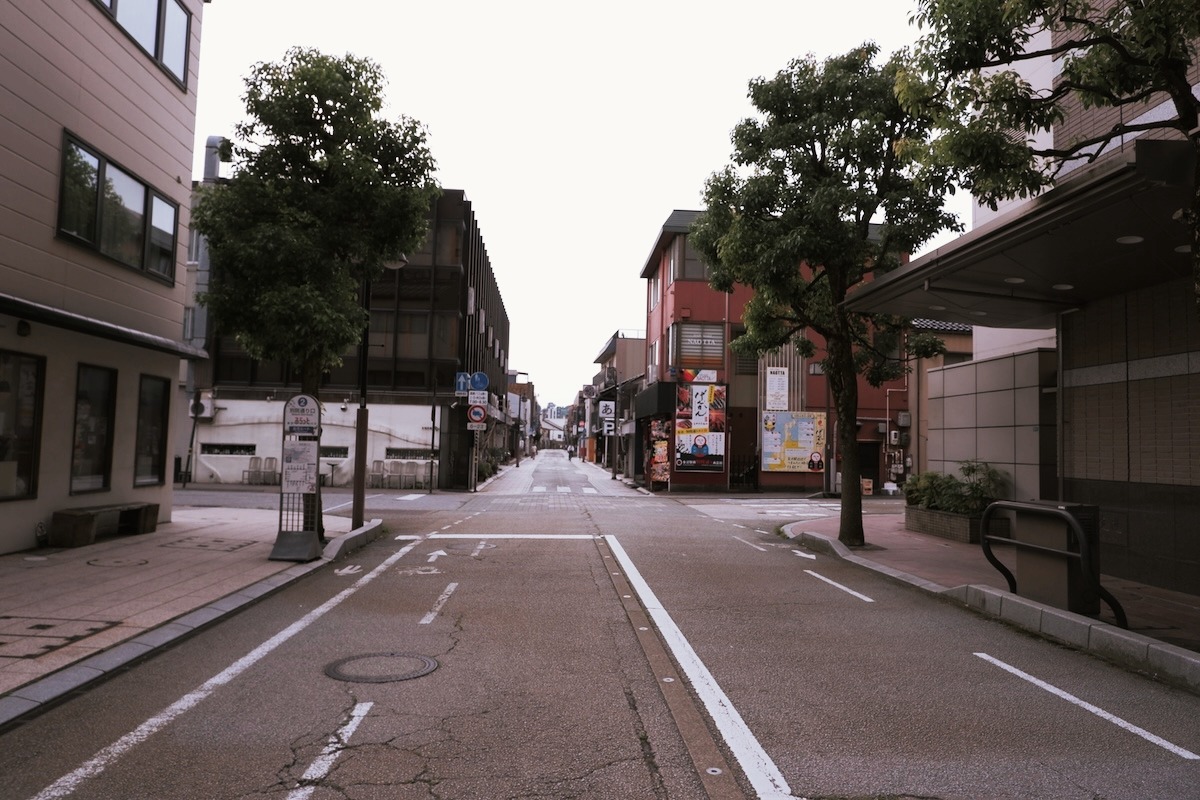
東茶屋街の華やかさからほんの数分歩いただけなのに急に時間の流れが変わる。
「違う世界に迷い込んだようだった。」
それは作られた観光地ではなく、昔から続く町がそのまま今も生きている場所だからなのでしょう。
帰ってから調べてみると、ここは「卯辰山山麓寺院群」という四百年近い歴史を今も受け継いでいる場所だった。
なぜ寺社が集まったのか?卯辰山山麓寺院群の歴史
一帯には、およそ50もの寺社が点在している。
江戸時代初期、加賀藩三代藩主・前田利常の時代に金沢城を守るための防備や寺社の管理
さらに一向宗対策などを目的として城下にあった寺院がこの地へ計画的に配置されたと伝えられている。
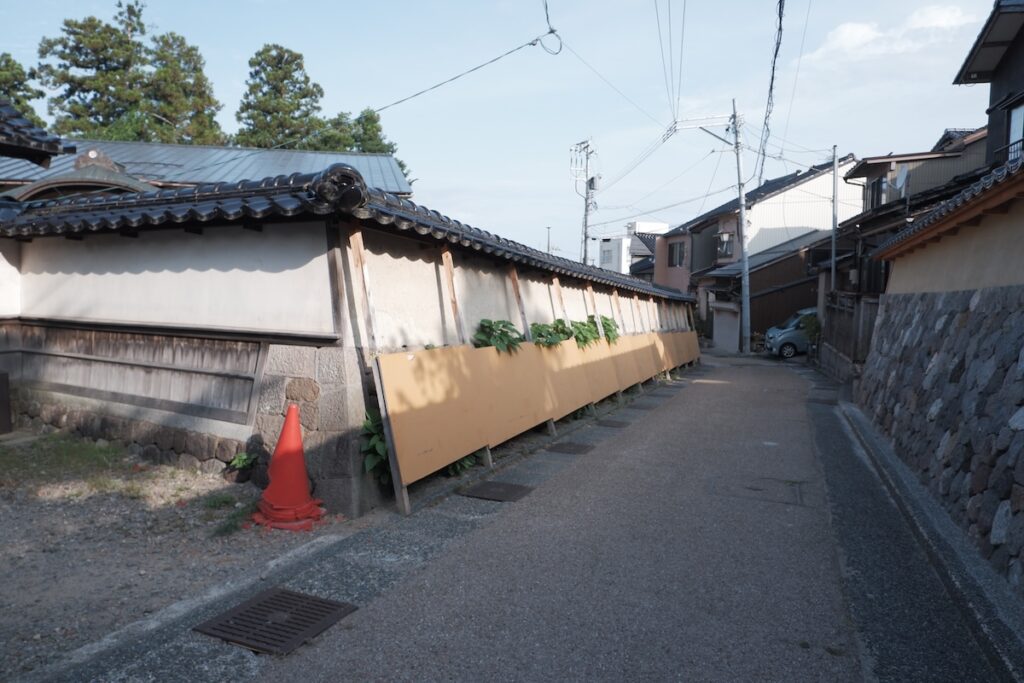
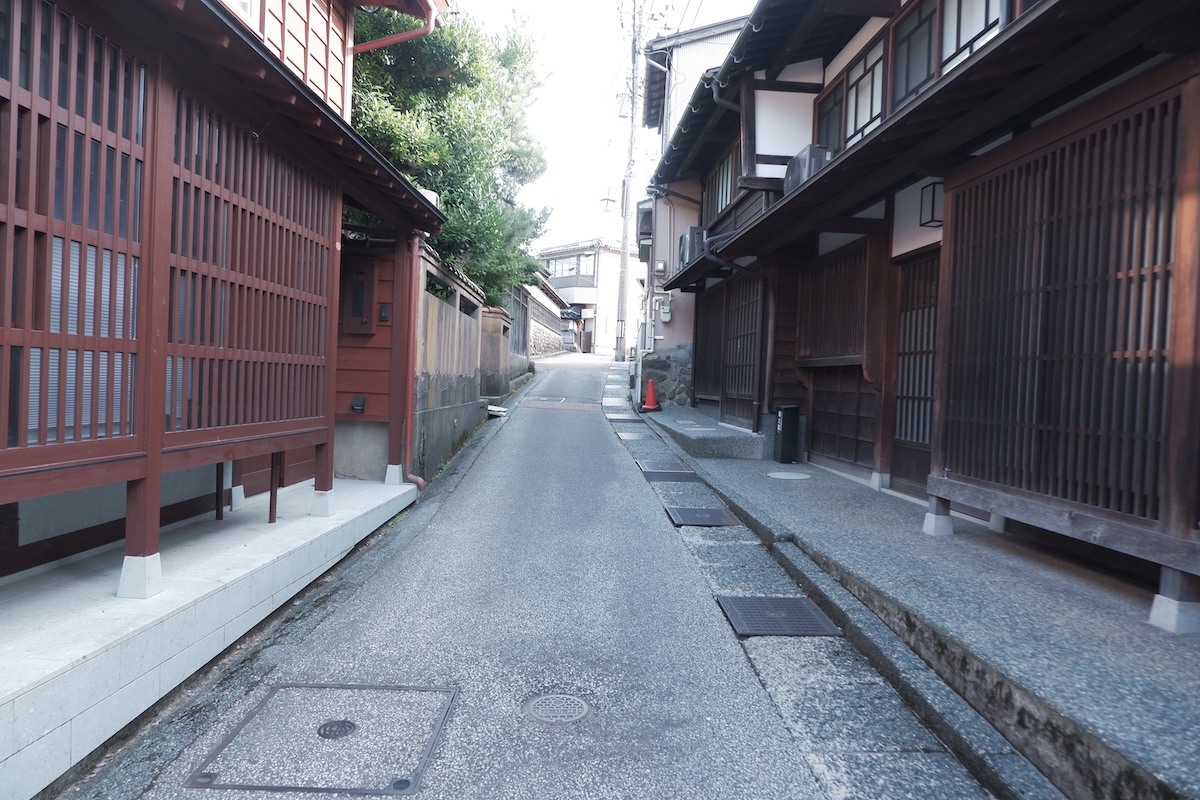
坂道や石段、迷路のような細い路地が続く町並みは、四百年近い時を経た今も城下町金沢の面影を静かに残している。
観光地ではなく「今も人が暮らす町」
実際に歩いて驚いたのは、ここがただの「歴史的な観光地」ではなく
今も普通に人が暮らしている町だということだ。
歴史あるお寺の長い石段の脇にはごく普通の家々が並び、
その横では洗濯物が揺れ、玄関先には植木鉢が並ぶ。
窓辺からは生活の音が聞こえてくる。
夫の地元・子どもの頃の記憶と、ワクワクする迷路の路地
実は、この半分の地域は夫の生まれ育った地元だ。
子どもの頃、この校下で育った夫の学校には「お坊さんの息子」がチラホラいたり、同級生の家があったりしたのだと言う。
小さな坂道や狭い曲がり角を進むたび、
「こんな所にも道が!」
と、小学生だったら間違いなく探検したくなる。
そして今なら夫が居なければ確実に迷子になる景色が広がっている。
ここは、大人になった今でもどこかワクワクしてしまう
生きた秘密基地のような場所なのだ。
シャッターを切れなかった理由。四百年の歴史を繋ぐ暮らしの風景
カメラを持って歩いていたけれど結局ほとんどシャッターを切れなかった。
お寺のすぐ隣には人の暮らしがあり、そこに生きる人々の日常がある。
「ここは観光地だから」
と、気軽にレンズを向けられる場所ではなかった。
それだけ、この町には今も温かい人の暮らしがしっかりと息づいているということなのだろう。
重要伝統的建造物群保存地区に選ばれている理由は
ただ古い寺院が残っているからだけではない。
その周囲の町家や、そこに暮らす人々の営みの景観が一体となって四百年の歴史を今に繋いでいるからなのだと、自分の足で歩いてみて深く実感した。
Stepping just a few minutes away from the vibrant Higashi Chaya district, the pace of time seems to shift instantly. “It felt as if I had wandered into a different world.” This is not a manufactured tourist spot, but a historic neighborhood that continues to live on, just as it always has.
After returning home, I looked it up and found out this is the “Utatsuyama Sanroku Temple Group,” a place carrying on a history of nearly 400 years. About 50 temples and shrines are scattered throughout the area. In the early Edo period, under Toshitsune Maeda, the 3rd lord of the Kaga Domain, temples from around the castle town were intentionally relocated here. The purposes were to defend Kanazawa Castle, manage religious institutions, and counter the Ikko-shu sect, as the story goes.
With its slopes, stone steps, and maze-like narrow alleys, the townscape quietly retains the atmosphere of the Kanazawa castle town from nearly four centuries ago.
What surprised me most while walking here was that this is not merely a “historic tourist destination,” but a neighborhood where people still live their everyday lives.
Right beside the long stone steps of historic temples stand ordinary houses, where laundry flutters in the breeze and potted plants line the doorways. From the windows, you can hear the gentle sounds of daily life.
In fact, half of this area is where my husband was born and raised. Growing up around here, he told me that his elementary school class used to have a few kids whose fathers were temple monks, and many classmates lived in the neighborhood. Hearing that made total sense. As you navigate the small slopes and narrow corners, with thoughts like “There’s a path here too?!”, you are met with scenery that would make any child want to explore—and as an adult today, definitely get lost in. It is a living, secret base that still makes you feel excited, even as an adult.
I was walking with my camera, but in the end, I barely clicked the shutter.
Right next to the temples are people’s lives and their daily routines. It didn’t feel right to casually point a camera lens just because “this is a tourist spot.” That alone shows how warmly human life still breathes in this town.
Walking through it myself made me deeply realize why this area is designated as an Important Preservation District for Groups of Traditional Buildings: it is not just because old temples remain, but because the surrounding townhouses and the daily lives of the people living there blend together to connect 400 years of history to the present day.